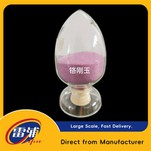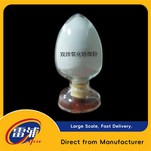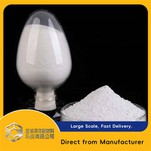

Common applications of hydrated alumina are mainly concentrated in flame retardancy, material preparation, environmental treatment, electronics industry, and catalysts. Its different forms (such as aluminum hydroxide, boehmite, and pseudoboehmite) play key roles in various industries.
1. Flame retardant: Widely used in plastics, rubber, and cables.
Alumina trihydrate (Al(OH)₃) is the most commonly used inorganic flame retardant filler, with advantages such as halogen-free, low smoke, and environmental friendliness:
Heat absorption and cooling: Decomposes at 200–250℃, absorbing a large amount of heat (approximately 1967 kJ/kg), inhibiting the temperature rise of materials.
Dilution of combustible gases: Releases water vapor, reducing the concentration of oxygen and combustible gases.
Forming a protective layer: The generated Al₂O₃ residue covers the surface, isolating it from the three elements of combustion.
Commonly used in polymer materials such as wires and cables, building materials, and vehicle interiors.
2. Lithium-ion Battery Separator Coating: Enhancing Battery Safety
Nano-boehmite (γ-AlOOH), as a high-end lithium-ion battery separator coating material, has become a mainstream choice:
High Temperature Resistance: Improves the dimensional stability of the separator below 300℃, preventing thermal shrinkage and short circuits.
Flame Retardancy and Smoke Suppression: Releases water vapor upon heating, suppressing thermal runaway.
Low Hardness: Reduces wear on electrodes and equipment, improving production yield.
Good Hydrophobicity: Enhances battery stability in humid environments, reducing self-discharge.
3. Catalysts and Supports: Core Materials in Petrochemical and Environmental Protection Fields
Hydrated alumina (especially boehmite) is widely used due to its high specific surface area and surface activity as:
FCC Catalyst Support: Provides dispersibility and thermal stability in petroleum cracking.
Automotive Exhaust Gas Purification Catalyst Support: Used in three-way catalytic converters to improve catalytic efficiency.
Drug Sustained-Release Support: Adsorbs antigens or drug molecules, achieving controlled release.
4. Water Treatment and Environmental Protection: Highly Efficient Adsorption of Harmful Substances
Activated alumina (obtained by dehydrating hydrated alumina) is an important adsorbent:
Defluorination: Used for treating high-fluoride drinking water, with a large defluorination capacity of 1.2–2.0 mg/g.
Arsenic Removal: Has strong adsorption capacity for As(V) and As(III), especially effective at pH 5–6.
Acid Removal and Regeneration: Used for removing acidic substances from transformer oil and lubricating oil.
5. Ceramics and Electronic Materials: Fundamental Raw Materials for High-Performance Devices
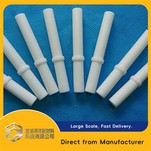
Preparation of Alumina Ceramics: Hydrated alumina is calcined to generate α-Al₂O₃, used to manufacture high-temperature resistant, high-strength ceramic components, such as bearings, nozzles, and electronic substrates.
Electronic Ceramic Casting Substrates: High-purity alumina powder is used in aerospace chip substrates to ensure stable signal transmission in extreme environments.
Copper Clad Laminate Filler: Improves the leakage current resistance and thermal conductivity of PCB boards.