

Alumina
Alumina Product Overview
Technical alumina materials feature controlled purity, precise particle size distribution, and optimized performance characteristics designed for industrial ceramic, refractory, and advanced material applications. Selected for high hardness, chemical stability, electrical insulation properties, and resistance to high-temperature environments, alumina performance depends heavily on grade selection, purity levels, particle morphology, and processing characteristics. Consistent chemical composition and application-specific specifications ensure reliable performance across manufacturing environments.
-
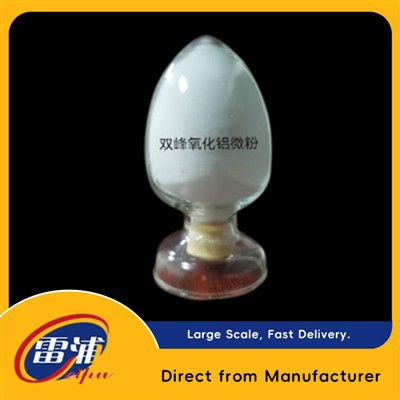 Bimodal Alumina Micro PowderBimodal Alumina Micropowder is produced using low-sodium alumina as the main raw material without any additives. It is calcined at a high temperature of 1300–1500℃ in a tunnel kiln, then ground byAdd to Inquiry
 -
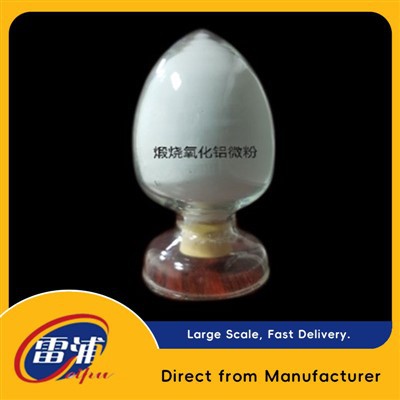 Alumina Powder for Refractory MaterialsHigh-temperature calcined alumina powder is produced using industrial alumina as raw material, calcined in a high-temperature tunnel kiln at an appropriate temperature to obtain stable α-aluminaAdd to Inquiry
 -
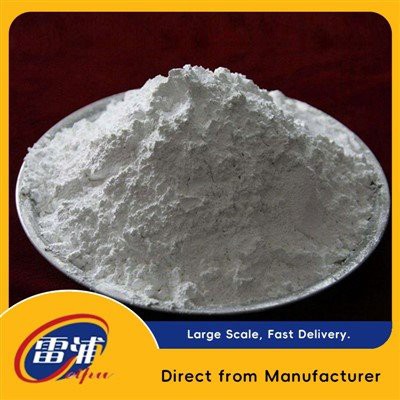 Alumina Powder for CeramicsAlumina powder for ceramics (Al₂O₃) is insoluble in water and difficult to dissolve in acid or alkali solutions. It is calcined in a tunnel kiln at high temperature with long holding time and highAdd to Inquiry
 -
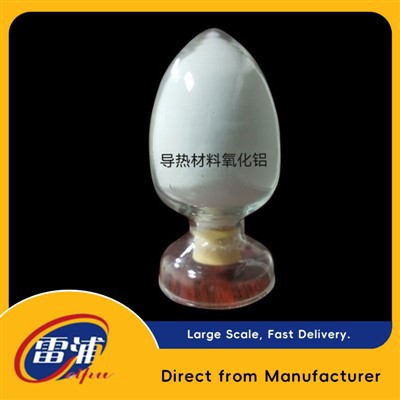 Alumina for Thermal Conductive FillerAlumina for Thermal Conductivity Fillers (Al₂O₃) is an inorganic powder dominated by α-phase crystal form, featuring high purity, high thermal conductivity and electrical insulation. It has aAdd to Inquiry
 -
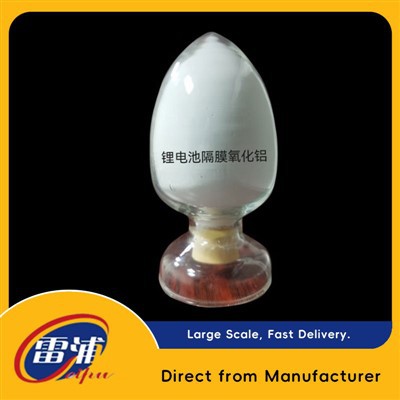 Alumina Powder for Lithium Battery SeparatorsAlumina for Lithium-Ion Battery Separators is a high-performance alumina powder produced through specialized processing techniques according to the performance requirements of batteries and batteryAdd to Inquiry
 -
 Nano AluminaNano-alumina is a high-purity ultrafine alumina powder with a particle size ranging from 1 to 100 nm, mainly existing in γ-alumina or α-alumina crystal form. It is a nano-scale inorganic functionalAdd to Inquiry
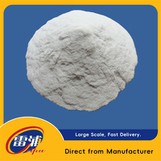
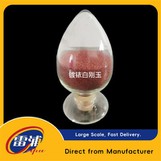


Alumina Ceramic at a Glance
|
Procurement Consideration |
Technical Specification |
|
Base Material |
Aluminum oxide (Al2O3) technical ceramic |
|
Supply Forms |
Tubes, plates, rods, rings, bushings, insulators, and custom geometries |
|
Manufacturing Route |
Powder preparation -> forming -> debinding -> sintering -> precision machining -> quality inspection |
|
Core Properties |
High dielectric strength, extreme hardness, wear resistance, thermal stability, chemical inertness |
|
Target Industries |
Semiconductor processing, electronics, thermal engineering, mechanical systems, chemical processing, and laboratory equipment |
|
Quality & Compliance |
Manufactured under strict quality management systems (aligned with ISO 9001, RoHS, and REACH standards) |
|
Customization |
Drawing-based OEM production, rapid prototyping, and scalable batch manufacturing |
Alumina Product Grades

Calcined Alumina: Produced through controlled calcination to remove chemically combined water and obtain stable crystalline alumina.
- Applications: Technical ceramics, refractory materials, ceramic components, electrical insulation products.
- Key Characteristics: High Al2O3 content, stable chemical composition, controlled particle size, good thermal stability.
Reactive Alumina: Features fine particle size and high sintering activity for dense ceramic structures and improved mechanical performance.
- Applications: Advanced ceramics, high-performance refractory products, precision ceramic components.
- Important Parameters: Fine particle distribution, high surface activity, low impurity content, superior sintering performance.
Activated Alumina: Specialized porous grade utilized for adsorption and purification applications.
Tabular Alumina: A fully densified alumina aggregate produced through high-temperature processing.
- Applications: Steel industry refractories, furnace linings, high-temperature castables.
- Performance Advantages: High refractoriness, low porosity, excellent thermal shock resistance, good corrosion resistance.
Fused Alumina: Produced by electric arc melting and crystallization, available in white and brown fused alumina types.
- Applications: Abrasives, wear-resistant materials, surface treatment media.
High Purity Alumina (HPA): Utilized where extremely low impurity levels are strictly required.
- Applications: Semiconductor ceramics, sapphire production, electronic components, optical materials.
- Typical Requirements: High Al2O3 purity, low sodium content, tight impurity control.

Technical Specifications
Chemical Properties
Al2O3 content customized according to grade; SiO2, Fe2O3, and Na2O maintained at controlled impurity levels; moisture controlled before shipment.
Physical Properties
Particle size and D50 distribution customized; bulk density managed according to grade; specific surface area available for reactive grades; crystal structure primarily alpha-Al2O3.

Production Control
Key controlled processes include raw material selection, calcination temperature regulation, grinding and classification, particle size adjustment, batch mixing, and packaging control.
Quality Inspection
Routine testing covers chemical composition analysis, particle size distribution, moisture testing, density measurement, surface area analysis, and batch consistency verification. Material test reports are provided according to customer specifications.
Why Alumina Grade Selection Matters
Different alumina materials share similar chemical compositions but exhibit distinct processing behaviors. Fine reactive alumina improves ceramic densification, tabular alumina enhances refractory durability, high purity alumina minimizes contamination risks in sensitive electronic applications, and fused alumina provides controlled hardness for abrasive manufacturing. Selecting the correct grade minimizes processing defects and maintains final product consistency.
Applications by Industry

Technical Ceramics
Ceramic insulators, wear-resistant components, structural ceramics, and precision parts requiring high purity and stable particle distribution.
Refractory Industry
Furnace linings, kiln furniture, and castable refractories requiring high temperature resistance and low porosity.


Electronics Industry
Ceramic substrates, electronic packages, and insulating components requiring low impurity content and consistent electrical performance.
Abrasive Industry
Grinding wheels, abrasive grains, and surface treatment materials requiring high hardness and grain size control.
Customization Options
Industrial processes frequently require custom material adjustments. Customization parameters include purity levels, particle size distributions, powder morphology, and packaging formats. Technical documentation, such as product specification sheets and chemical analysis reports, is fully supported for all shipments.
FAQ
With abundant experience, we are one of the most professional alumina manufacturers and suppliers in China. Please feel free to buy high quality alumina for sale here and get quotation from our factory. For price consultation, contact us.
