

Zeolite
Industrial Zeolite for Water Treatment, Ion Exchange, Adsorption and Process Applications
Zeolite is a crystalline aluminosilicate material with a defined microporous structure, highly valued across industrial sectors for its ion-exchange capacity, adsorption behavior, molecular sieving, and selective interaction with specific ions or molecules. For commercial procurement, generic specifications are insufficient; natural and synthetic zeolites differ substantially in mineral composition, pore structure, exchange capacity, particle size, and application performance. Selecting the appropriate grade must be aligned with actual process requirements. Materials are supplied in standardized powder and granular forms, matched to specific operational, processing, and handling needs.
-
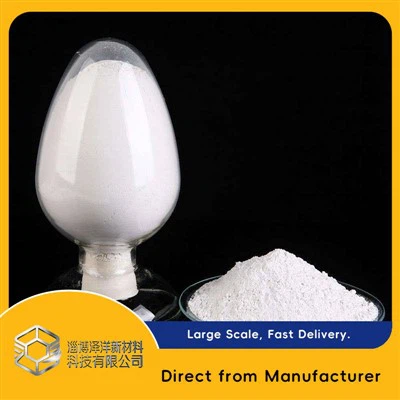 4A Zeolite4A Zeolite Powder is mainly composed of aluminosilicate, a non-toxic, odorless, tasteless white powder with good fluidity. Its chemical composition mainly includes silica (high content), alumina andAdd to Inquiry
-
 PVC-specific ZeolitePVC Special Zeolite is a crystalline zeolite in free-flowing powder form. It can be used in both soft PVC and rigid PVC as part of PVC stabilizer formulations.It can replace lead-containingAdd to Inquiry
-
 A、X And Y-type Molecular SievesMolecular Sieve is a kind of 4A Zeolite prepared by a special process, featuring perfect crystallinity, excellent selective adsorption, deep drying and ultimate drying performance. It is a non-toxic,Add to Inquiry


Zeolite Product Types


Natural Zeolite: Mined and processed from natural mineral deposits, combining zeolite minerals with associated naturally occurring phases. Key commercial metrics include mineral content, chemical composition, cation exchange capacity (CEC), particle size, moisture, bulk density, and classification methods. It is widely utilized for water treatment, filtration media, agriculture, soil conditioning, and bulk adsorption processes.
Synthetic Zeolite: Manufactured under strict, controlled industrial conditions to achieve a precise chemical and structural composition. This grade offers tailored crystal structures, exact pore sizes, controlled Si/Al ratios, specific cation compositions, and uniform particle morphology for specialized adsorption and separation tasks.
Powdered Zeolite: Engineered for applications requiring integration into chemical formulations, liquid suspensions, or slurry mixtures. Key purchasing specs include particle-size distribution, moisture, chemical purity, mineralogical profile, powder flow characteristics, and bulk density.
Granular Zeolite: Optimized for fixed-bed reactors, pressure filters, and packed-bed media layers where the material must remain stable. Buyers must evaluate granule size ranges, mechanical strength, attrition rates, bulk density, pressure-drop characteristics, and hydraulic behavior.
How to Select the Right Zeolite

Water Treatment: Evaluate cation exchange capacity, target-ion selectivity, particle size, purity, and hydraulic properties.
Ammonium Removal: Focus on exchange capacity, ammonium selectivity, particle size, and regeneration requirements.
Filtration Media: Prioritize granule size, mechanical strength, fines control, bulk density, and hydraulic behavior.
Adsorption: Assess zeolite type, pore structure, adsorption capacity, moisture, and particle size.
Agriculture: Review mineral composition, cation exchange capacity, particle size, moisture, and application dosage.
Animal-Feed Applications: Require strict regulatory compliance, mineral composition, purity, heavy-metal limits, and moisture tracking under food-grade frameworks.
Detergent and Formulation Use: Examine chemical composition, particle size, moisture, purity, and formulation compatibility.
Industrial Ion Exchange: Analyze exchange capacity, selectivity, chemical stability, and particle-size distribution.
Process Separation: Consider zeolite structure, pore size, adsorption selectivity, and operating conditions.
Key Zeolite Specifications for Procurement
Chemical and Mineralogical Properties: Specifications include silicon dioxide (SiO2), aluminum oxide (Al2O3), sodium oxide (Na2O), potassium oxide (K2O), calcium oxide (CaO), magnesium oxide (MgO), iron oxide (Fe2O3), loss on ignition, zeolite mineral content, silicon-to-aluminum ratio, and trace impurities. Mineralogical identification is essential for natural minerals to account for co-existing phases.
Physical Properties: Parameters encompass particle-size distribution, powder fineness, bulk density, moisture content, color, granule shape, mechanical strength, and fines content. Finer powders increase surface exposure but complicate handling, while larger granules improve bed permeability.
Functional Performance: Application metrics include cation exchange capacity, adsorption capacity, target-ion selectivity, moisture adsorption, pH stability, regeneration performance, and thermal stability, evaluated against standardized test methods.

Packaging and Bulk Supply
Packaging Formats
Available in polyethylene plastic bags, heavy-duty woven bags, multi-wall paper bags, flexible intermediate bulk containers (Jumbo bags / FIBCs), palletized shipments, and bulk shipments where applicable.
Protection and Handling
Packaging design incorporates moisture barriers, dust control linings, and secure stacking structures to withstand long-distance transit, warehouse handling, and extended storage durations.
FAQ
With abundant experience, we are one of the most professional zeolite manufacturers and suppliers in China. Please feel free to buy high quality zeolite for sale here and get quotation from our factory. For price consultation, contact us.
zeolite pvc, PVC zeolite, 4A Zeolite