

Calcined Alumina
Material Overview & Typical Applications
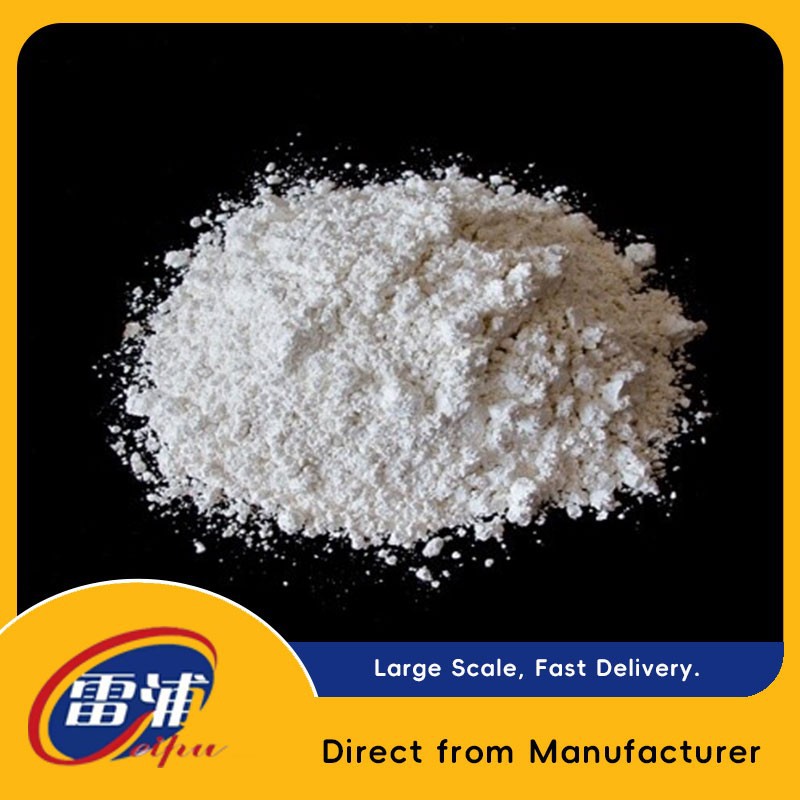
Chemical Formula: Al2O3
Material Form: Controlled thermally treated calcined alumina powder
Primary Characteristics: Stable alumina raw material featuring defined crystal phases, controlled particle-size distribution (PSD), and specific surface area.
Target Industries: Technical ceramics, electrical ceramics, advanced refractories, and high-temperature abrasive formulations.
-
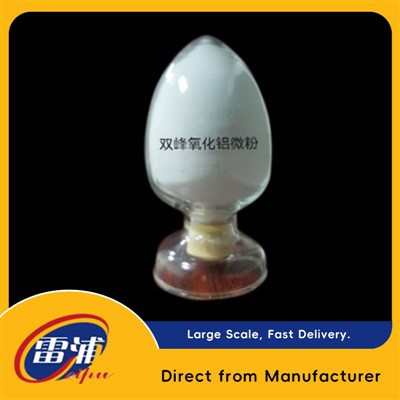 Bimodal Alumina Micro PowderBimodal Alumina Micropowder is produced using low-sodium alumina as the main raw material without any additives. It is calcined at a high temperature of 1300–1500℃ in a tunnel kiln, then ground byAdd to Inquiry
-
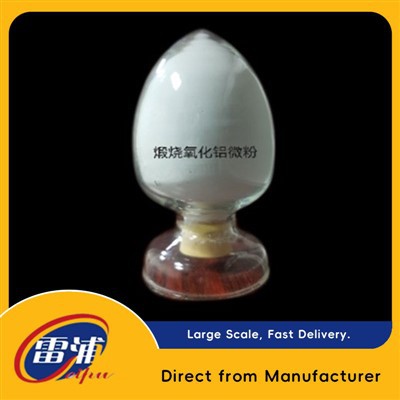 Alumina Powder for Refractory MaterialsHigh-temperature calcined alumina powder is produced using industrial alumina as raw material, calcined in a high-temperature tunnel kiln at an appropriate temperature to obtain stable α-aluminaAdd to Inquiry
-
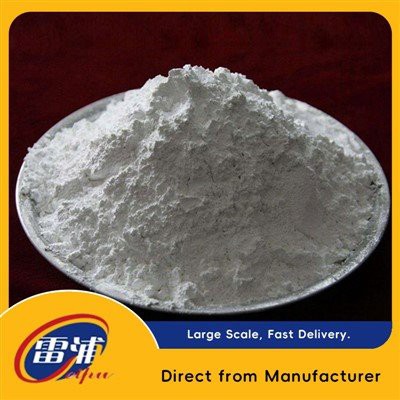 Alumina Powder for CeramicsAlumina powder for ceramics (Al₂O₃) is insoluble in water and difficult to dissolve in acid or alkali solutions. It is calcined in a tunnel kiln at high temperature with long holding time and highAdd to Inquiry


Core Technical Parameters & Specification Items
|
Parameter Category |
Key Items & Metrics |
Industrial Relevance |
|
Chemical Purity & Impurities |
Total Al2O3, Na2O, Fe2O3, SiO2, CaO, MgO |
Governs basic chemical purity and prevents performance degradation caused by fluxing or contaminating minor oxides. |
|
Phase Composition |
Alpha-Al2O3 (Corundum phase content) |
Dictates thermal stability, hardness, and high-temperature performance developed via thermal conversion. |
|
Physical & Particle Metrics |
Particle-Size Distribution (PSD), Median Particle Size (D50), BET Surface Area, Bulk Density |
Directly impacts powder packing behavior, green body formation, rheology, and sintering kinetics. |
|
Thermal & Moisture Characteristics |
Loss on Ignition (LOI), Moisture Content |
Measures residual volatile components, degree of calcination, and prevents hydration or handling issues. |
Technical Ceramics: Prioritize purity, alpha-Al2O3 content, PSD, BET surface area, and strict impurity profiles to govern sintering behavior and final density.
Refractory Formulations: Focus on Al2O3 content, impurity thresholds, phase composition, particle distribution, and batch-to-batch consistency.
Electrical Ceramics: Emphasize high Al2O3 purity, stringent alkali (Na2O) control, and tight PSD for electrical insulation performance.
Abrasive Formulations: Target specific Al2O3 purity levels, hardness-related crystal phase characteristics, and customized particle sizes.
Production & Quality Control Process
Manufacturing Sequence
Precursor preparation -> Controlled thermal calcination -> Cooling -> Crushing and deagglomeration -> Classification -> Quality testing -> Packaging.
Batch Verification
Evaluation of production stability through multi-batch analysis rather than relying on a single nominal datasheet value.

Essential Quality Documentation
Product Specification
Agreed baseline limits for chemical and physical parameters.

Certificate of Analysis (COA)
Actual test data corresponding directly to the supplied commercial batch.
Safety Data Sheet (SDS)
Handling, storage, and safety guidelines.

Lot Traceability
Unique batch identification linking the delivered material back to its production record.
Packaging, Handling & Storage
Packaging Formats
Standard bags, heavy-duty industrial bags, palletized loads, and bulk packaging options selected based on order volume and automated or manual feeding systems.
Storage Requirements
Maintained in clean, dry conditions with packaging kept intact to prevent moisture absorption and external contamination.
Frequently Asked Questions
With abundant experience, we are one of the most professional calcined alumina manufacturers and suppliers in China. Please feel free to buy high quality calcined alumina for sale here and get quotation from our factory. For price consultation, contact us.
high alumina powder, Alumina for ceramic substrates, bimodal alumina