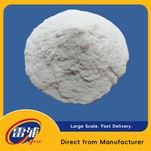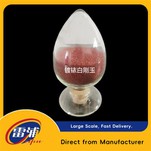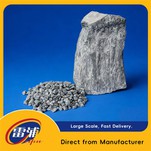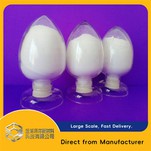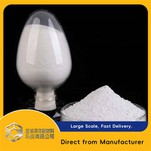

Due to their unique physicochemical properties, different forms of alumina have highly specialized applications in industrial and high-tech fields. The core applications are: α-Al₂O₃ for structural and functional materials, γ-Al₂O₃ primarily used in catalysis and energy, and β-Al₂O₃ specifically for ion-conducting applications.
α-Al₂O₃ (Corundum): The cornerstone of highly stable structural materials.
As the most stable crystal form, α-Al₂O₃, with its high melting point (2050℃), high hardness (Mohs 9), and excellent chemical inertness and electrical insulation, is widely used in applications requiring extremely high durability and stability:
Refractory and wear-resistant materials: Used in the manufacture of high-temperature kiln linings, crucibles, refractory bricks, etc., ensuring the safe operation of high-temperature industries such as steel and glass.
High-performance ceramics: Used in electronic ceramic components such as integrated circuit substrates, spark plugs, and high-voltage insulators, accounting for 90% of the electronic ceramic substrate market. Biomedical Implants: High-purity α-Al₂O₃ ceramics, due to their good biocompatibility and low wear rate, are used in artificial joints and dental implants.
Abrasives and Polishing: White corundum (α-Al₂O₃) is the core raw material for manufacturing grinding wheels and abrasive powders, used for surface processing of metals and semiconductors.
Gemstones and Decoration: Natural or synthetic rubies and sapphires are α-Al₂O₃ crystals containing trace amounts of elements such as chromium and iron.
γ-Al₂O₃ (Activated Alumina): High Specific Surface Area Drives Catalysis and Adsorption
γ-Al₂O₃ is a porous, metastable crystalline form with a high specific surface area (up to 586.9 m²/g). It possesses strong surface acidity, good dispersibility, and thermal stability (800–1000℃), making it a core functional material in the fields of catalysis and adsorption:
Catalyst Support: In automotive exhaust purification, loading precious metals such as platinum and palladium improves CO conversion efficiency to 99.2% and NOx conversion efficiency to 97.5%.
Key Additives for Lithium-ion Batteries:
Separator Coating: Nano-γ-Al₂O₃ coatings increase electrolyte wetting speed by 3 times, significantly improving battery rate performance.
Cathode Coating: Doping with 5wt% γ-Al₂O₃ increases the capacity retention of LiCoO₂ from 78% to 92% after 200 cycles at 55℃. Solid electrolyte interface modification: A 20nm thick coating layer can suppress lithium dendrite growth by up to 95%.
Adsorption and dehydration: Its large specific surface area makes it a highly efficient desiccant for deep dehydration of petrochemical cracking gas, reducing energy consumption by more than 30%.
Precision polishing: Used for polishing optical glass and semiconductor wafers, reducing surface roughness to 0.1nm RMS.