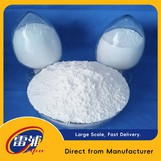

Fused mullite is a crucial material in various industrial applications, known for its excellent thermal and mechanical properties. As a supplier of fused mullite, I am often asked about its crystal structure. In this blog, I will delve into the details of the crystal structure of fused mullite, exploring its composition, formation, and significance in industrial use.
Composition of Fused Mullite
Fused mullite is a synthetic material primarily composed of aluminum oxide (Al₂O₃) and silicon dioxide (SiO₂). The typical composition of fused mullite ranges from 70% to 80% Al₂O₃ and 20% to 30% SiO₂. This specific ratio of components plays a vital role in determining the crystal structure and properties of the material.
The chemical formula of mullite is generally represented as 3Al₂O₃·2SiO₂, although the actual composition can vary slightly depending on the manufacturing process and raw materials used. The presence of these two main components gives fused mullite its unique combination of high-temperature stability, mechanical strength, and chemical resistance.
Crystal Structure of Fused Mullite
The crystal structure of fused mullite is complex and can be described as a three - dimensional network of aluminum and silicon tetrahedra and octahedra. Mullite belongs to the orthorhombic crystal system, which means it has three mutually perpendicular axes of different lengths.
In the crystal structure, aluminum ions (Al³⁺) can occupy both tetrahedral and octahedral sites. Silicon ions (Si⁴⁺) are mainly located in tetrahedral sites. The tetrahedra and octahedra are connected by sharing oxygen ions (O²⁻), forming a continuous framework.
The structure of mullite can be thought of as consisting of chains of edge - sharing AlO₆ octahedra that are cross - linked by SiO₄ and AlO₄ tetrahedra. This arrangement gives the crystal a high degree of stability and contributes to the material's mechanical strength. The channels and voids within the crystal structure also play a role in the material's thermal and electrical properties.
Formation of Fused Mullite
Fused mullite is typically produced by melting a mixture of high - purity alumina and silica in an electric arc furnace at temperatures above 2000°C. During the melting process, the raw materials react to form a homogeneous liquid. As the liquid cools and solidifies, the mullite crystals nucleate and grow.
The cooling rate and the chemical composition of the melt have a significant impact on the crystal structure and properties of the final product. A slow cooling rate allows for the growth of larger and more well - ordered crystals, which generally results in better mechanical and thermal properties. On the other hand, a fast cooling rate may lead to the formation of smaller crystals or a more amorphous structure.
Significance of Crystal Structure in Industrial Applications
The crystal structure of fused mullite is directly related to its industrial performance. Its high - temperature stability, for example, is due to the strong bonds within the crystal lattice. The interconnected tetrahedral and octahedral framework can withstand high temperatures without significant structural changes, making fused mullite an ideal material for refractory applications.
In the field of ceramics, the crystal structure of fused mullite provides excellent mechanical strength and wear resistance. The material can be used in the production of ceramic components for various industries, such as automotive, aerospace, and electronics.
Moreover, the chemical resistance of fused mullite is also attributed to its crystal structure. The tightly packed oxygen ions in the lattice prevent the penetration of corrosive substances, allowing the material to be used in harsh chemical environments.
Comparison with Other Fused Alumina - Based Materials
As a supplier, I also offer other fused alumina - based materials, such as Chromium Corundum and Iridium - coated White Corundum. Each of these materials has its own unique crystal structure and properties.
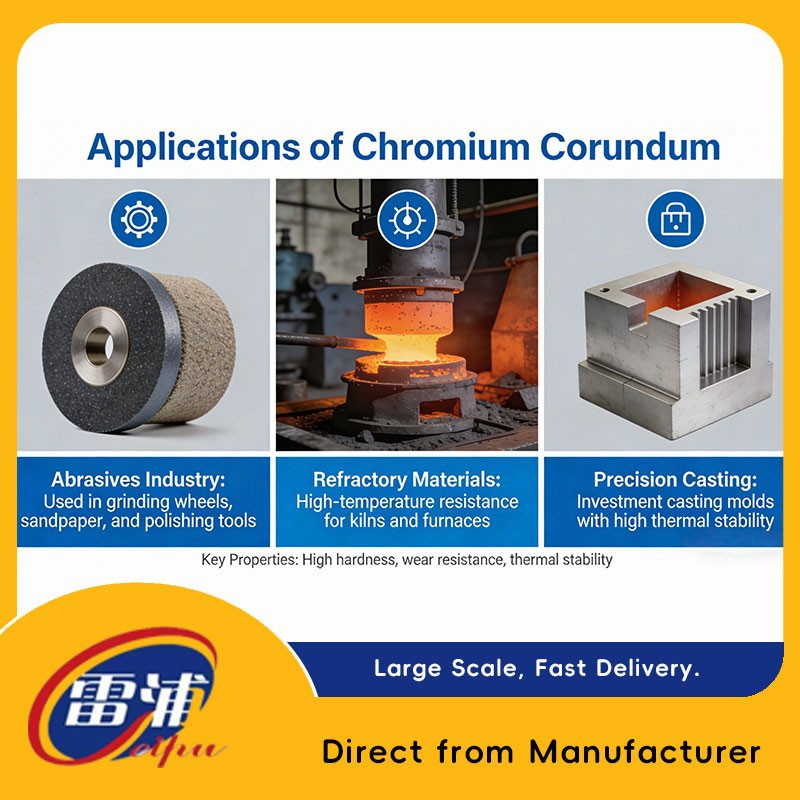
Chromium corundum is mainly composed of aluminum oxide with chromium added as a dopant. Its crystal structure is similar to that of corundum (Al₂O₃), but the presence of chromium ions can modify the properties of the material, such as its color and hardness.
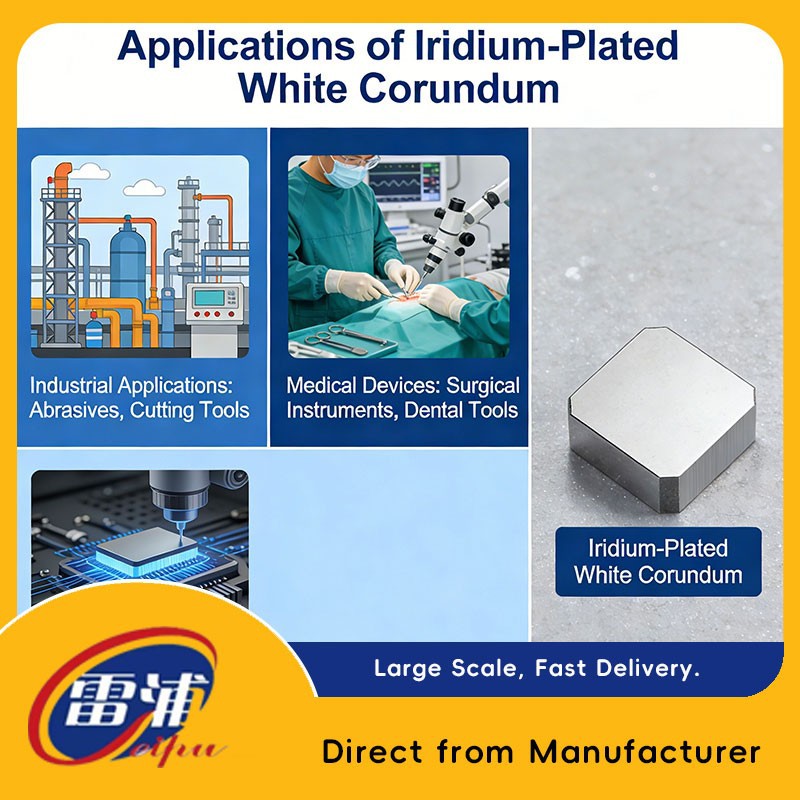
Iridium - coated white corundum has a core of white corundum (high - purity Al₂O₃) with a thin layer of iridium coating. The crystal structure of the core is that of corundum, while the iridium coating provides additional properties, such as improved corrosion resistance and catalytic activity.
In comparison, fused mullite has a more complex crystal structure due to the presence of both aluminum and silicon. This complexity gives it a unique set of properties that make it suitable for a wide range of applications.
Our Fused Mullite Products
At our company, we take pride in offering high - quality Fused Mullite. Our production process is carefully controlled to ensure the formation of a well - defined crystal structure. We use high - purity raw materials and advanced melting and cooling techniques to produce fused mullite with consistent quality.
Our fused mullite products are available in different grades and particle sizes to meet the specific requirements of our customers. Whether you need fused mullite for refractory applications, ceramic manufacturing, or other industrial uses, we can provide the right product for you.
Conclusion
The crystal structure of fused mullite is a fascinating topic that has a profound impact on its properties and industrial applications. Understanding the composition, formation, and significance of the crystal structure can help us better utilize this material in various fields.
If you are interested in purchasing fused mullite or learning more about its applications, please feel free to contact us. We are committed to providing high - quality products and excellent customer service. Let's work together to meet your industrial needs.
References
- Kingery, W. D., Bowen, H. K., & Uhlmann, D. R. (1976). Introduction to ceramics. Wiley.
- Schneider, H., & Philipp, H. (2008). Refractories handbook. Wiley - VCH.
- Rawal, R. K., & Maiti, H. S. (2010). Mullite: Structure, properties, processing, and applications. CRC Press.