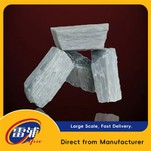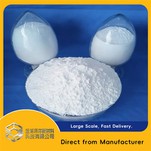

While the physicochemical properties of degraded hydrated alumina have declined and cannot meet the demands of high-precision industries (such as catalyst supports and electronic ceramics), it can still be reused at low cost in areas with lower performance requirements.
Used as a general filler: Degraded hydrated alumina still possesses a certain degree of thermal stability and inertness, making it a cost-effective inorganic filler in plastics, rubber, or coatings. It can be used in non-critical products where dispersibility and purity requirements are not high, such as building materials like floor tiles and sewer pipes.
Used as a soil conditioner or neutralizer: Due to its weak alkalinity, it can be used in small quantities to adjust the pH of acidic soils or as a neutralizer in industrial wastewater treatment. However, the dosage must be controlled and the impact of impurities must be assessed.
Preparation of low-grade building materials: Combined with red mud comprehensive utilization technology, degraded alumina can be incorporated into cement, roadbed materials, or non-fired bricks as an auxiliary binder or aggregate component, achieving solid waste resource recovery.
For teaching or experimental demonstration purposes: In non-precision experiments, it can be used to demonstrate the dehydration process (heating to produce aluminum oxide) or adsorption phenomenon in chemical teaching, helping students understand the changes in material properties.